
Introduction
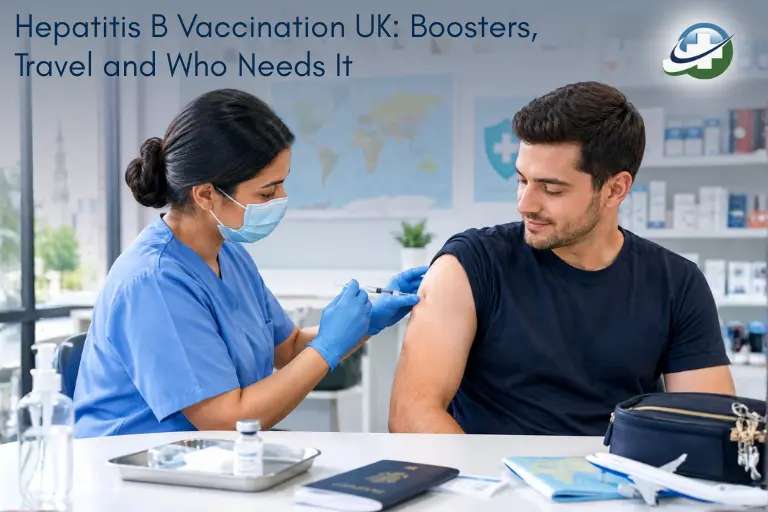
Hepatitis B vaccination UK guidance has become one of the most searched topics among travellers, healthcare workers and anyone planning a trip to a region where the virus is common. Hepatitis B is a liver infection spread through blood and certain bodily fluids, and while the UK has a low overall prevalence, specific groups remain at real risk. Whether you are due a routine dose, considering a booster injection, or preparing for travel abroad, understanding your options helps you make an informed decision. This guide walks through who needs protection, how boosters work, and what to expect from the process, all while keeping things simple and practical.
Table of Contents
- What Is Hepatitis B and Why Vaccination Matters
- Who Needs Hepatitis B Vaccination in the UK
- Understanding the Hepatitis B Booster Injection
- Hepatitis B Travel Vaccine: Comparing Your Options
- Benefits of Getting Vaccinated
- Common Use Cases
- Best Practices Before and After Vaccination
- Common Mistakes to Avoid
- How Chertsey Pharmacy Can Help
- Frequently Asked Questions
- Final Thoughts and Next Steps
What Is Hepatitis B and Why Vaccination Matters
Hepatitis B is caused by a virus that attacks the liver. It spreads through contact with infected blood, unprotected sex, shared needles, or from mother to baby during childbirth. Many people who contract the virus show no symptoms initially, yet the infection can quietly progress and, in some cases, lead to long-term liver damage. This is exactly why Hepatitis B vaccination UK programmes exist, both as part of routine childhood immunisation and as a targeted option for adults who fall into higher-risk categories.
The vaccine works by prompting your immune system to recognise and fight the virus before it can take hold. It has been used safely for decades and remains one of the most effective tools for preventing transmission, particularly for people travelling to countries where the infection is far more widespread than in the UK.
Who Needs Hepatitis B Vaccination in the UK
NHS Routine Immunisation
Since 2017, the Hepatitis B vaccine has been part of the NHS routine childhood immunisation schedule, usually given as a combined injection alongside other vaccines. Most people born after this point will already have some level of protection from childhood.
Adults at Increased Risk
Certain adults are advised to get vaccinated regardless of travel plans. This includes healthcare workers, people with certain liver conditions, those with multiple sexual partners, people who inject drugs, and household contacts of someone with Hepatitis B. If you fall into one of these categories, speaking with a pharmacist or GP about your vaccination history is a sensible first step.
Travellers Needing a Hepatitis B Travel Vaccine
If you are heading to a region with higher rates of Hepatitis B, including parts of Africa, Asia, the Pacific Islands, and Eastern Europe, a Hepatitis B travel vaccine is often recommended. This is especially true for longer stays, backpacking trips, volunteer work, or travel that involves close contact with local healthcare settings.
Understanding the Hepatitis B Booster Injection
When a Booster Is Recommended
A Hepatitis B booster injection is not automatically needed by everyone. For most healthy adults who completed their original course, protection tends to last many years, and in many cases, a lifetime. However, certain groups, such as those with weakened immune systems, healthcare workers with ongoing exposure risk, or people whose blood tests show declining antibody levels, may be advised to have an additional dose.
How to Check If You Need One
The clearest way to know if you need a booster is through a blood test that measures your antibody response, combined with a review of your vaccination history. Rather than guessing, it is worth having a conversation with a healthcare professional who can look at your specific circumstances, including your travel plans, occupation and any underlying health conditions.
For anyone unsure about spacing, timing or how many doses their course requires, our vaccines and dosage schedules page sets out the general timelines used across our travel clinic services.
Hepatitis B Travel Vaccine: Comparing Your Options
Not every traveller needs the same combination of vaccines. The table below offers a general comparison to help you understand where Hepatitis B fits alongside other commonly requested travel vaccines.
| Vaccine | Typical Traveller Need | Course Length | Booster Consideration |
| Hepatitis B | Long stays, healthcare work, higher-risk regions | Multiple doses over several weeks to months | May be needed based on antibody levels |
| Hepatitis A | Most travellers to affected regions | Usually two doses | Long-lasting protection after full course |
| Typhoid | Travel involving food and water risk | Single dose or oral course | Repeat doses recommended periodically |
| Yellow Fever | Entry requirement for specific countries | Single dose | Generally long-lasting |
This comparison is only a general guide. Your actual requirements depend on your destination, length of stay, planned activities and personal medical history, so it is always worth discussing your itinerary with a travel health specialist before booking.
Benefits of Getting Vaccinated Against Hepatitis B
Choosing to complete your Hepatitis B vaccination UK course offers several practical advantages:
- Long-term protection against a virus that can cause serious liver complications if left unaddressed
- Peace of mind while travelling, particularly in regions where healthcare access may be limited
- Reduced transmission risk to family members, partners or colleagues
- Compliance with occupational health requirements for roles in healthcare, laboratories or emergency services
- Protection that often lasts for years, reducing the need for frequent revaccination in most healthy adults
Common Use Cases for Hepatitis B Vaccination
People seek out Hepatitis B vaccination for a range of reasons, and understanding these scenarios can help you decide whether it applies to you:
- Preparing for a gap year, volunteering placement or long-term work assignment abroad
- Starting a new role in healthcare, dentistry, or emergency response
- Planning to live in or frequently visit a country with higher Hepatitis B prevalence
- Wanting a precautionary booster before an extended trip, even after completing childhood immunisation
- Partners or household members of someone recently diagnosed with Hepatitis B
Best Practices Before and After Vaccination
Getting the timing and preparation right makes the entire process smoother and more effective.
Before your appointment:
- Book early, ideally at least six to eight weeks before travel, since some courses require multiple doses spaced apart
- Bring any previous vaccination records so your pharmacist can check what protection you already have
- Mention any allergies, current medications or existing health conditions during your consultation
After your appointment:
- Keep a record of the dates you received each dose, particularly if your course spans several weeks
- Watch for mild, short-lived side effects such as soreness at the injection site or slight tiredness, which are generally normal
- Attend any follow-up appointments needed to complete your course on schedule
Common Mistakes to Avoid
- Leaving it too late. Some travellers assume a single visit will cover everything, but multi-dose courses need proper spacing to work effectively.
- Assuming childhood immunisation covers every situation. Occupational exposure or travel to high-risk areas may still call for additional protection.
- Skipping the second or third dose. An incomplete course may not provide full protection, even if the first injection was given on time.
- Not checking entry requirements. Some destinations have specific health documentation expectations, so it helps to confirm this well before departure.
- Relying on guesswork instead of a proper assessment. A quick chat with a qualified professional is far more reliable than assuming your risk level based on general travel advice online.
How Chertsey Pharmacy Can Help
At Chertsey Pharmacy, our team supports both routine and travel-related vaccination needs, working with you to plan a schedule that fits your departure date and personal risk factors. If your trip also involves other regions with specific requirements, our travel clinic services cover a broad range of vaccinations, including Hepatitis A protection and yellow fever vaccination for destinations that require it.
If you are new to the process and want a clearer idea of what a consultation involves, our article on what to expect at our travel clinic walks through the typical steps from booking to completing your course. Chertsey Pharmacy aims to make this process straightforward, whether you need a single consultation or an ongoing schedule of doses.
For further independent guidance on how the vaccine works and who the NHS recommends it for, the NHS Hepatitis B vaccine page offers additional background information.
Frequently Asked Questions
Is the Hepatitis B vaccine available on the NHS in the UK?
Yes, it is part of the routine childhood immunisation schedule and is also available to specific at-risk adult groups through the NHS, though travel-related vaccination is often accessed through private travel clinics like ours.
How many doses does the Hepatitis B vaccination course require?
This varies depending on the schedule used and your individual circumstances. Our vaccines and dosage schedules page outlines the general timelines used for courses booked through our clinic.
Do I need a booster if I was vaccinated as a child?
Not necessarily. Most healthy adults retain protection for many years. A booster is generally only recommended for specific risk groups or when antibody testing shows reduced protection.
How soon before travel should I get vaccinated?
Ideally six to eight weeks before departure, since some courses involve multiple doses spaced several weeks apart to build full protection.
Can I get the Hepatitis B travel vaccine alongside other travel vaccinations?
In many cases, yes. Your pharmacist can review your itinerary and recommend a combined schedule that covers Hepatitis B alongside other relevant vaccines for your destination.
What are common side effects of the vaccine?
Most people experience mild, short-term effects such as soreness at the injection site or slight fatigue. Serious reactions are rare.
Final Thoughts and Next Steps
Getting protected against Hepatitis B is a straightforward process once you understand your personal risk level, whether that comes from occupation, travel plans or general health history. Booking early, completing your full course and keeping track of your vaccination record all make a meaningful difference to how well protected you are.
If you are planning a trip or simply want to check whether your protection is up to date, get in touch with our team or book an appointment with Chertsey Pharmacy today. Our staff can talk through your travel plans, review what you already have, and help you put together a schedule that fits comfortably before your departure date.