
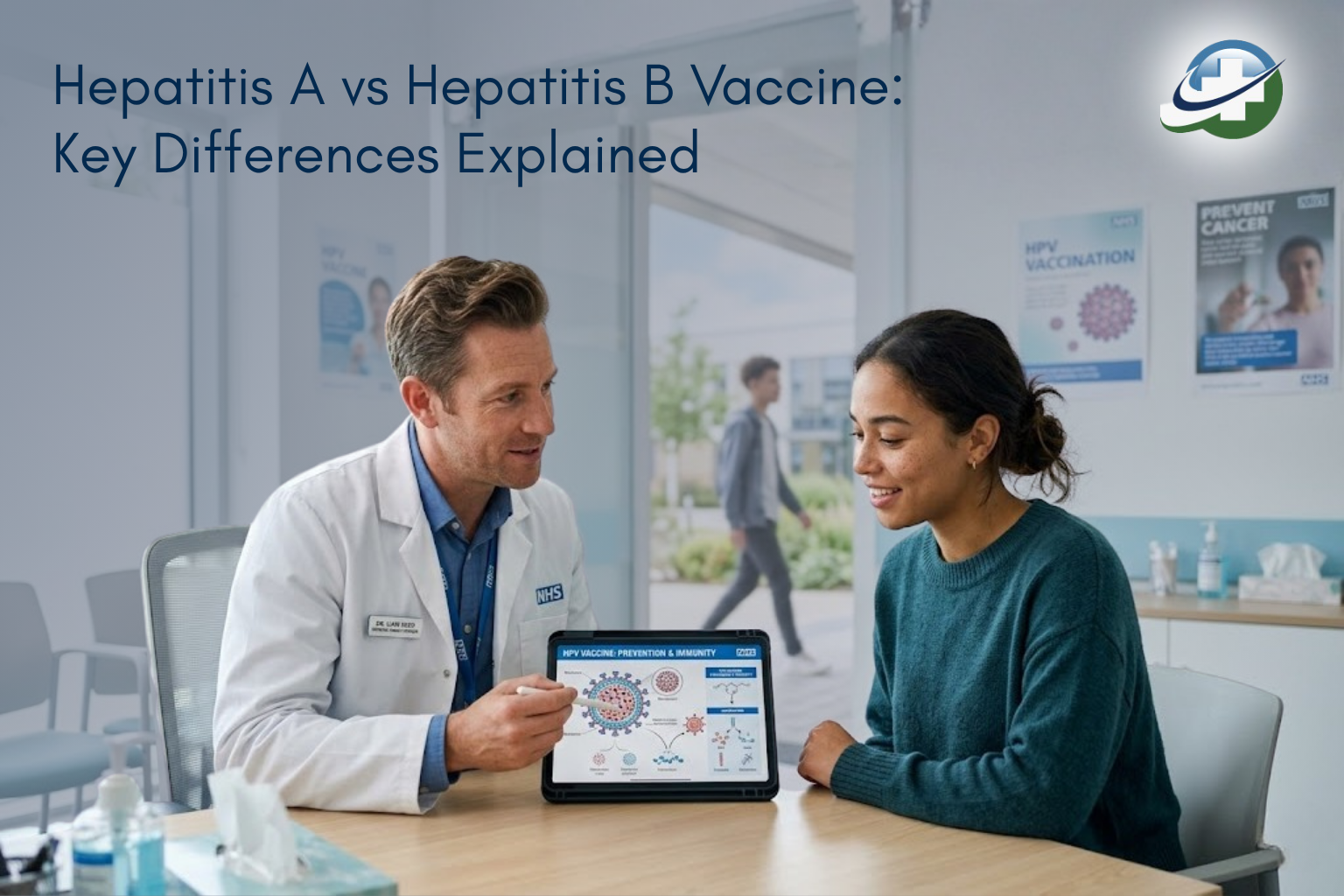
The HPV vaccine is one of the most significant advances in cancer prevention in recent decades. In 2026, it remains a cornerstone of public health in the UK. Whether you are a parent, a young adult, or someone who missed the school programme, this guide covers everything you need to know about HPV vaccination.
What is HPV?
Human papillomavirus (HPV) is the most common sexually transmitted infection in the world. There are more than 200 strains of HPV, of which around 40 affect the genital area. Most HPV infections clear up on their own, but certain high-risk strains, particularly HPV 16 and 18, can cause cervical cancer, as well as cancers of the throat, anus, penis, vagina, and vulva.
Low-risk HPV strains such as types 6 and 11 cause genital warts. The HPV vaccine protects against these and more, significantly reducing the risk of several cancers and conditions.
What is the HPV vaccine?
The HPV vaccine currently used in the UK is Gardasil 9, which protects against nine strains of HPV, including the two most cancer-causing strains (16 and 18) and the two most common strains causing genital warts (6 and 11). It is highly effective when given before first exposure to the virus.
Clinical studies have shown that widespread HPV vaccination has already led to dramatic reductions in HPV-related cancers and precancerous conditions in the UK and globally.
Who should get the HPV vaccine in 2026?
The HPV vaccine is recommended for the following groups in the UK:
- All girls and boys in school Year 8 (aged 12 to 13) as part of the NHS routine immunisation programme
- Young people up to age 25 who missed the school programme — available as an NHS catch-up
- Men who have sex with men (MSM) up to age 45 — available through sexual health clinics
- Adults aged 26 and over who wish to receive the vaccine privately (available at Chertsey Pharmacy)
- Individuals with HIV or a weakened immune system may also be eligible — speak to your GP or pharmacist
HPV vaccine schedule in 2026
| Vaccine | Schedule | Who it’s for |
| Gardasil 9 | 2 doses (under 15)
3 doses (15+) |
Boys & girls, catch-up to age 45 |
| NHS Programme | 2 doses, school Year 8 | UK pupils aged 12–13 |
| Catch-up (NHS) | 2–3 doses | Up to age 25 if missed school programme |
| Private clinic | Flexible schedule | Adults seeking protection outside NHS |
For those aged under 15 receiving their first dose, two doses are sufficient. Those aged 15 and above, or who are immunocompromised, require three doses for full protection.
How effective is the HPV vaccine?
The HPV vaccine is highly effective. UK data from the NHS vaccination programme shows that cervical cancer rates in women who were vaccinated as teenagers have fallen by around 87%. This makes it one of the most effective cancer-prevention tools available today.
Importantly, vaccination does not replace cervical screening. Vaccinated women should still attend their regular smear tests, as the vaccine does not protect against all HPV strains that can cause cervical cancer.
Is the HPV vaccine safe?
Yes. The HPV vaccine has an excellent safety record with millions of doses administered worldwide. It has been monitored extensively since its introduction and continues to be reviewed by the MHRA and WHO.
Common side effects include:
- Pain, redness, or swelling at the injection site
- Mild headache or fatigue
- Low-grade fever
- Feeling faint shortly after injection — this is why patients are asked to remain seated for observation
Serious reactions are extremely rare. At Chertsey Pharmacy, all HPV vaccinations are administered by trained pharmacists in a safe, supervised environment.
HPV vaccination for adults: is it too late?
No — it is not too late to benefit from the HPV vaccine as an adult. While the vaccine is most effective when given before first exposure to HPV, vaccination in adulthood can still provide protection against strains you have not yet been exposed to. Many adults are choosing to receive the HPV vaccine privately at pharmacies like Chertsey Pharmacy.
If you are unsure whether you would benefit from HPV vaccination as an adult, our pharmacists are happy to discuss your personal circumstances and advise accordingly.
Get your HPV vaccine at Chertsey Pharmacy
The HPV vaccine is available privately at Chertsey Pharmacy for adults and those who missed the NHS programme. Walk in or book an appointment today.
Frequently Asked Questions
Q1. Does the HPV vaccine protect against all types of HPV?
No — Gardasil 9 protects against nine of the most significant HPV strains, including the two that cause approximately 70% of cervical cancers. However, it does not cover all strains. This is why regular cervical screening (smear tests) remains essential even after vaccination.
Q2. Can boys get the HPV vaccine on the NHS?
Yes. Since 2019, the UK NHS HPV programme has included boys as well as girls. Boys in school Year 8 are routinely offered the HPV vaccine. This not only protects boys from HPV-related cancers themselves but also helps reduce overall HPV transmission in the population.
Q3. Is the HPV vaccine suitable during pregnancy?
The HPV vaccine is not currently recommended during pregnancy as a precaution, due to limited data. If you are pregnant, vaccination should be deferred until after delivery. If you received a dose before knowing you were pregnant, you should inform your midwife or GP — existing evidence suggests no harm to the pregnancy, but the remaining doses should be completed after birth.
Q4. How long does HPV vaccine protection last?
Long-term studies suggest that the HPV vaccine provides protection for at least 10 to 12 years, with evidence suggesting durability well beyond this. Ongoing research continues to monitor whether booster doses will ever be necessary, though none are currently recommended in the UK.
Q5. Can I get the HPV vaccine at Chertsey Pharmacy if I am over 25?
Yes. The HPV vaccine is available privately at Chertsey Pharmacy for adults of any age. While the NHS only funds vaccination up to age 25 (or 45 for eligible MSM), adults outside these groups can access Gardasil 9 through our pharmacy. Please speak to one of our pharmacists to discuss whether vaccination is appropriate for your circumstances.